
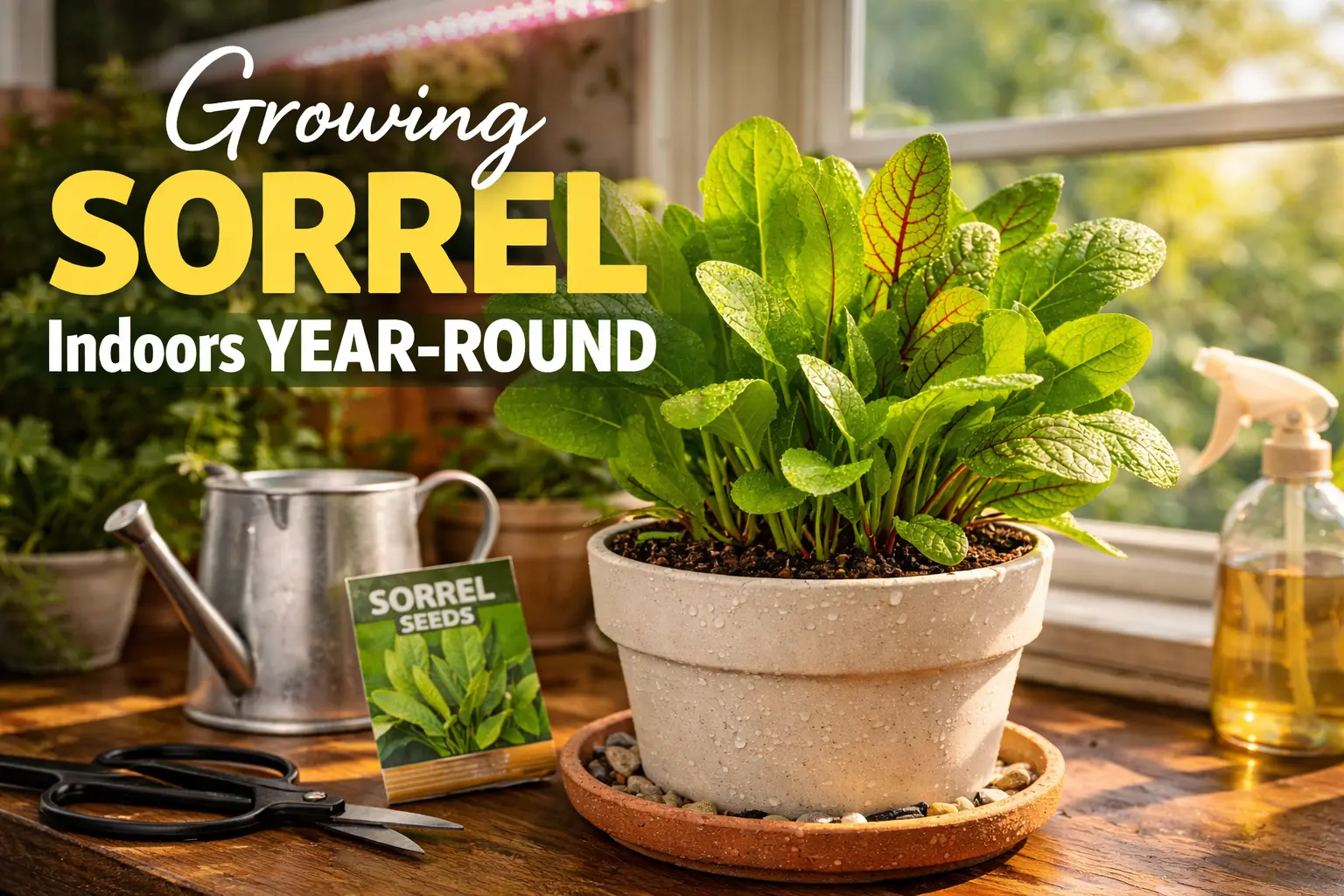
Indoor gardening has surged in popularity in recent years, but not every plant adapts well to life inside. Sorrel, however, is proving to be an exception. The fast-growing, lemony green is quietly earning a reputation as one of the easiest edible plants to grow indoors year-round.
Gardeners who grow sorrel indoors say it requires less effort than many common herbs, while offering a steady harvest even during winter months. Its preference for cooler temperatures and moderate light makes it particularly well suited to apartments and homes with limited outdoor space.
“Sorrel is one of those plants that surprises people,” says an indoor gardening hobbyist who has grown it for several seasons. “Once it’s established, it just keeps producing.”
A Cool-Season Green That Adapts Indoors
Sorrel is traditionally planted outdoors in spring and fall, but its shallow root system and tolerance for cool conditions allow it to thrive inside. Popular varieties such as garden sorrel, French sorrel, and red-veined sorrel remain compact in containers and regenerate quickly after harvesting.
Unlike leafy greens that decline after repeated cutting, sorrel continues to push out new leaves when trimmed regularly, giving home gardeners a reliable source of fresh greens for months at a time.
Light Plays a Bigger Role Than Many Expect
While sorrel is forgiving, light remains the most important factor for consistent indoor growth. Gardeners report the best results when plants are placed near south- or west-facing windows that receive several hours of direct sunlight.
During shorter winter days, many turn to full-spectrum LED grow lights to maintain leaf size and flavor. Those who do often notice stronger growth and more tender leaves.
Temperature also matters. Sorrel prefers a cooler indoor range, ideally between 60 and 70 degrees Fahrenheit. Excess heat can cause leaves to toughen and intensify their acidity.
Simple Soil and Watering Make a Difference
Successful indoor growers emphasize the importance of loose, well-draining soil. Most use a standard potting mix enriched with compost and a small amount of perlite to improve airflow around the roots.
Watering is straightforward but consistent. The soil should stay evenly moist, though not saturated. Allowing the top inch to dry slightly between waterings helps prevent root problems.
Fertilizer is used sparingly. A diluted liquid feed once every few weeks is usually enough to support steady growth without dulling the plant’s flavor.
Regular Harvesting Keeps Plants Productive
Harvesting is not just encouraged—it’s necessary. Gardeners typically cut the outer leaves once they reach four to six inches, leaving the center intact to continue growing.
When harvested this way, sorrel often produces new leaves within two weeks. Some indoor gardeners report maintaining healthy plants for up to a year before replacing or dividing them.
Flowering is uncommon indoors but can occur if the plant experiences stress. Removing flower stalks promptly usually restores leaf production.
A Versatile Green in the Kitchen
Sorrel’s bright, tangy taste has long been valued in soups and sauces, but home cooks are increasingly using it in salads, egg dishes, and fish recipes. Its natural acidity allows it to brighten meals without added citrus or vinegar.
As interest in growing food at home continues to rise, sorrel’s low-maintenance nature and consistent yields are helping it stand out among indoor-friendly greens.
Conclusion
For gardeners seeking an indoor plant that delivers both reliability and flavor, sorrel offers a practical solution. It requires minimal space, tolerates cooler indoor temperatures, and continues producing fresh leaves with basic care. With adequate light, consistent watering, and regular harvesting, sorrel can provide year-round harvests that fit easily into modern living.
As more households explore indoor gardening, sorrel’s quiet success suggests it may soon become a staple on windowsills across the country.